Indication of Dangerous Electric Electrical Wiring
Warning signs of unsafe electric circuitry consist of flickering lights, which may show dimmer incompatibility or loosened connections. Uncommon smells like burning plastic signal overheating and prospective failing. Constant breaker trips often suggest overloading, while warm receptacles can disclose significant problems such as abject electrical wiring. Revealed wires existing a high danger for shock and fire. If you observe these signs, it's vital to assess your system's problem, as more concerns may emerge that need prompt attention.
Takeaways
- Flickering lights might show loosened links or inappropriate dimmer buttons, indicating prospective electrical wiring problems that need immediate evaluation.
- Unusual odors, like melting scents, often recommend overheating cords or insulation break down, demanding immediate power closure and electrical expert examination.
- Constant circuit breaker trips usually signify overloaded circuits or malfunctioning circuitry, highlighting the demand for load administration and evaluation.
- Exposed or aged electrical wiring enhances the risk of electrical shocks and fires; noticeable fraying or fractures indicate the demand for immediate repairs.
- Routine examinations and specialist evaluations are vital for older systems to avoid threats and make sure safety and security in electric wiring.
Flickering Lights: Immediate Indication
Flickering lights often signal underlying electrical concerns that should not be ignored. One common cause is LED incompatibility, where older dimmer buttons don't work well with modern-day LED bulbs. This mismatch can result in flickering, showing that your illumination system might require an upgrade. Furthermore, loosened links within the electrical wiring can create periodic power circulation, resulting in similar flickering signs and symptoms. If you discover lights flickering, it's important to examine even more. Look for loose cables or connectors that may compromise the circuit's honesty. Ignoring these indicators can bring about much more severe electrical hazards, consisting of short circuits or fire threats. Focusing on instant inspection and resolution is vital to ensure your electrical system operates securely and successfully.
Uncommon Smells: What Electrical Burning Scents Indicate
Electrical problems can materialize in various ways, and unusual smells, specifically burning scents, are amongst the most worrying indicators. If you identify an electric odor, it's necessary to check out quickly. These smells commonly emerge from overheating cords or components, signaling possible insulation meltdown. When insulation deteriorates, it can expose electrical wiring, causing short circuits or even fires. Typically, a burnt plastic odor indicates that the insulation is breaking down, while a poignant, acrid smell may recommend overheating steel parts. Neglecting these odors can lead to serious risks, consisting of electrical fires. If you observe any kind of uncommon smells, it's necessary to turn off the power and consult a certified electrical expert to assess the scenario and guarantee security.
Constant Breaker Trips: Are You Overloaded?
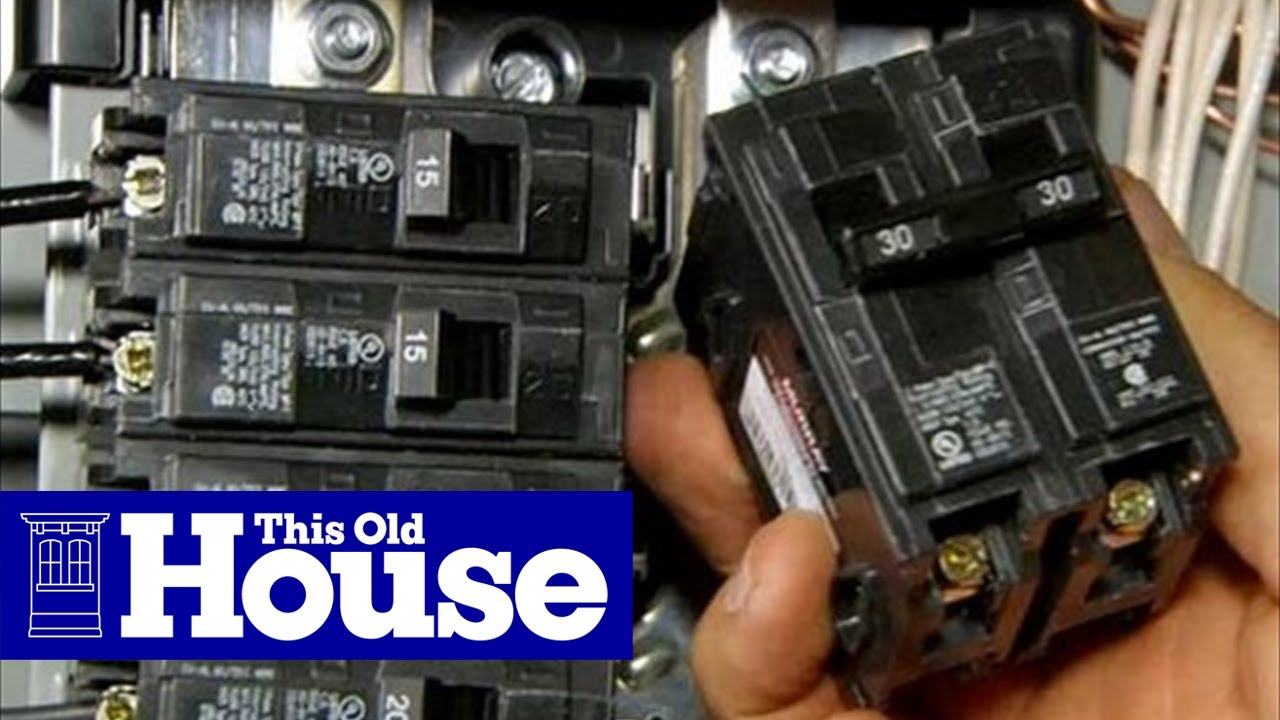
Frequent breaker journeys frequently suggest an overloaded circuit, which can cause significant electric dangers. Comprehending common reasons is vital, as is determining your safe lots to stop potential damage. Let's explore just how to identify these problems and assure your system operates safely.
Typical Causes Described
When your breaker trips frequently, it could indicate an overloaded system as opposed to just a faulty device. This overload can originate from different concerns, which you can recognize through a do it yourself inspection. Right here are some usual reasons:

- Way too many gadgets on one circuit: Connecting in numerous high-wattage devices can go beyond the circuit's ability.
- Defective wiring: Harmed or outdated wiring might not abide by existing code conformity standards, leading to boosted resistance and overheating.
- Loosened connections: Improperly attached cables can develop arcing, creating breakers to trip regularly.
- Malfunctioning devices: While you might concentrate on the breaker, a malfunctioning device might draw too much current.
Attending to these issues is essential for keeping safety and preventing more electric hazards.
Safe Tons Computation Tips
If you're experiencing frequent breaker trips, it's important to review your circuit's load capacity. Begin by carrying out a load estimation to establish the complete electrical power of gadgets connected to the circuit. Each circuit typically has a maximum load limit, typically 80% of the panel capability, to assure security. Separate the total wattage by the voltage to locate the amperage draw; if it surpasses the circuit's ranking, you're overwhelmed. Think about rearranging high-wattage home appliances across various circuits to balance the load efficiently. Furthermore, validate that your panel capability suffices for your home's demands, considering any kind of brand-new devices you could add. Taking these actions can assist prevent breaker trips and improve total electrical safety and security.

Warm Outlets and Dangerous Electrical Wiring: Recognizing the Dangers
Warm receptacles can indicate significant electrical problems, commonly originating from overloaded circuits or faulty wiring. You require to acknowledge the warning indications, such as staining or a burning odor, to stop prospective dangers. Taking safety nets, like scheduling routine evaluations, can assist preserve electrical security in your house.
Common Reasons For Overheating
Overheating often comes from a range of factors that can endanger electric safety in your house. Acknowledging these reasons is vital to stop serious dangers. Here are some typical factors:
- Loose connections: These can create resistance, creating extreme warmth at junction factors.
- Insulation destruction: Gradually, insulation can break down, revealing wires and raising the threat of short circuits.
- Overloaded circuits: Plugging as well many gadgets into a single receptacle can go beyond the circuit's ability, resulting in overheating.
- Poor air flow: Confined spaces can trap warmth, exacerbating overheating concerns.
Recognizing Caution Signs
When assessing your electrical system, recognizing indication can be crucial in preventing possible dangers. Pay focus to warm receptacles, which may indicate loose connections or overloaded circuits. Executing DIY examinations can help recognize these concerns before they rise.
IndicationDescriptionActivity Required Hot ReceptaclesElectrical outlets really feel warm to touchLook for loose links Flickering LightsLights dim or flicker inconsistentlyCheck circuitry honesty Burning ScentUnusual odors around outlets or toolsDisconnect and evaluateSafety Nets to Take
crayford electricianTo avoid electric risks originating from warm receptacles and hazardous electrical wiring, it's necessary to adopt aggressive procedures. Carrying out these actions will certainly boost safety and minimize threats:
- Regular Assessments: Routinely analyze receptacles and wiring for indicators of wear or damages.
- Photo Paperwork: Capture pictures of any type of concerns ran into, aiding future assessments and repair work.
- Update Electrical wiring: If your home's electrical wiring is outdated, take into consideration changing it with modern, much safer alternatives.
- Usage Surge Protectors: Set up surge guards to protect tools versus voltage spikes, lowering the threat of getting too hot.
Subjected Wires: Why You Must Never ever Ignore Them
Exposed wires can offer a serious hazard in any type of atmosphere, as they not just present a risk of electrical shock but also enhance the possibility of fires. Open up conductors can lead to insulation destruction, making the circumstance a lot more unsafe. You need to never ignore revealed wiring, as the consequences can be severe.
Risk TypeDanger AspectImmediate Action Electric ShockHighSwitch off power promptly Fire ThreatModerate to HighEvacuate location, telephone call for assistance Tools DamagesModestSeparate impacted tools Short CircuitHighEvaluate electrical wiring, repair service ASAP Code ViolationLegal IssuesSeek advice from a certified electrical contractorTake these cautions seriously to make particular your safety and security which of others.
Is Your Wiring Too Old? Time for an Upgrade?
As electrical systems age, they can become increasingly unstable, posing a risk electrician crayford to both security and functionality. If your home features old insulation or handle and tube wiring, it's essential to examine its problem. Right here are some indications that recommend it's time for an upgrade:
- Constant Circuit Breaker Trips: If breakers trip frequently, your system may be strained.
- Flickering Lights: Inconsistent lights can show damaged circuitry.
- Burning Scent: Any type of unusual odors can signal overheated circuitry, a fire threat.
- Noticeable Damage: Broken, frayed, or used insulation needs to trigger instant activity.
Overlooking these signs can lead to severe safety dangers, making it necessary to assess your wiring's age and condition routinely.
Regularly Asked Concerns
What Creates Electrical Wiring to Wear Away In Time?
Electrical wiring degrades with time generally as a result of age-related deterioration and environmental destruction. As insulation ages, it can crack or degrade, revealing wires to wetness and impurities. Humidity, temperature level changes, and chemical exposure accelerate this process. In addition, inadequate setup methods can exacerbate wear and tear, bring about raised resistance and heat. Regular assessments can aid determine these concerns prior to they intensify, making sure security and dependability in your electric systems.
Exactly How Can I Securely Check My Home's Wiring?
To safely examine your home's circuitry, start with a detailed visual inspection. Look for indicators of wear, such as torn cables or staining. Next off, use voltage screening to inspect for proper power levels and determine any abnormalities. Always ensure the power is off prior to examining. If you find any concerns or really feel unsure, it's finest to seek advice from a qualified electrical expert to avoid prospective dangers. Prioritize safety and security throughout your evaluation procedure.
When Should I Call an Electrical Expert for Wiring Issues?
You must hire an electrician right away if you see flickering lights, constant circuit breaker journeys, or burning scents. These issues could suggest serious troubles that call for specialist focus. In addition, if you're unpredictable regarding the safety and security of your circuitry, routine an evaluation to identify potential risks. Do not neglect indicators like cozy receptacles or blemished buttons, as they may indicate underlying electrical issues that might endanger your home's security.
What Are the Conveniences of Re-shaping an Old Home?
Rewiring an old home can noticeably boost its efficiency, a lot like upgrading from a flip phone to a smartphone. You'll gain improved safety and security by reducing fire risks linked to outdated wiring. Furthermore, enhanced capacity permits you to support contemporary home appliances and modern technology without overloading circuits. This not only meets present electric codes but also enhances your home's resale worth, ensuring it's equipped for today's needs and future advancements.
Just How Can I Protect Against Electrical Circuitry Troubles in the Future?
To protect against electric circuitry issues in the future, focus on regular upkeep of your system. Schedule assessments with a certified electrical expert to identify prospective issues early. Install rise security gadgets to guard against voltage spikes that can damage circuitry. Make particular all electrical outlets and circuits are up to code and stay clear of overloading them. By keeping a proactive technique, you'll improve safety and security and reliability while lengthening the life expectancy of your electric system.